SOUTH AFRICA · JUNE 2010
Before it was a token, it was eight panels of pure chaos. This is the complete story of the tournament that made the Jabulani legendary, the design, the backlash, the science, and the moments nobody forgot.
Adidas and engineers at Loughborough University built the ball with just eight thermally bonded panels, down from the traditional thirty-two-panel stitched design. The goal was a perfectly spherical, more accurate ball. Textured grip channels were added to stabilize flight.
The result traveled faster, knuckled with almost zero spin, and behaved unlike anything players had trained with. Outfield players who mastered it got a weapon. Goalkeepers got a nightmare.
8 PANELS · DESIGNED AT LOUGHBOROUGH UNIVERSITY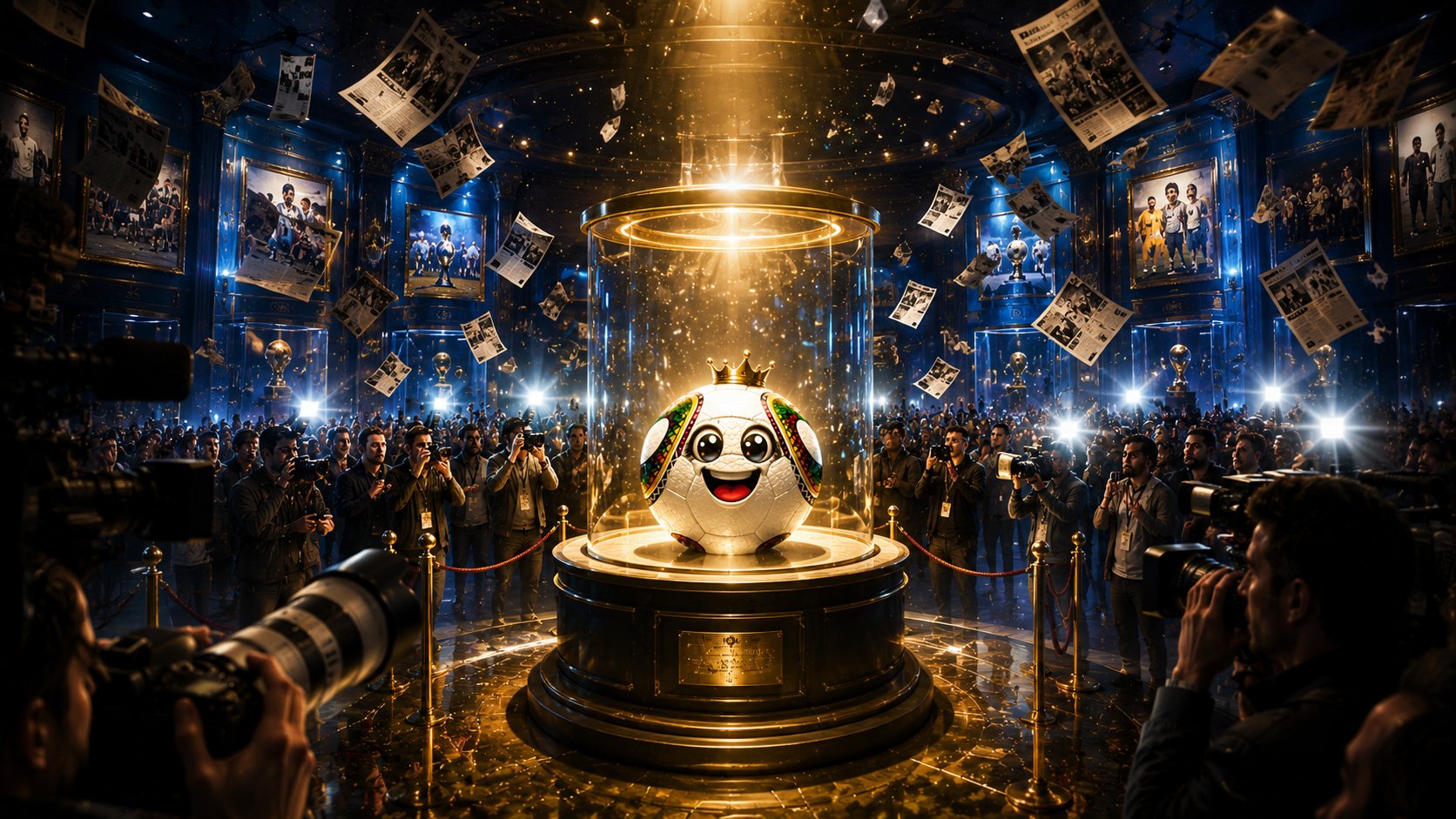
A World Cup–winning goalkeeper called it inadequate for the world's biggest stage. Brazil's keeper compared it to something off a supermarket shelf. England's keeper called it dreadful and horrible — then admitted that meant more goals for everyone.
Spain's keeper said it flew like a beach ball. Argentina's forward said it was impossible for strikers too, not just keepers. Their head coach predicted long passes would all but disappear from the tournament.
SIX NATIONAL TEAMS. ONE COMMON COMPLAINT.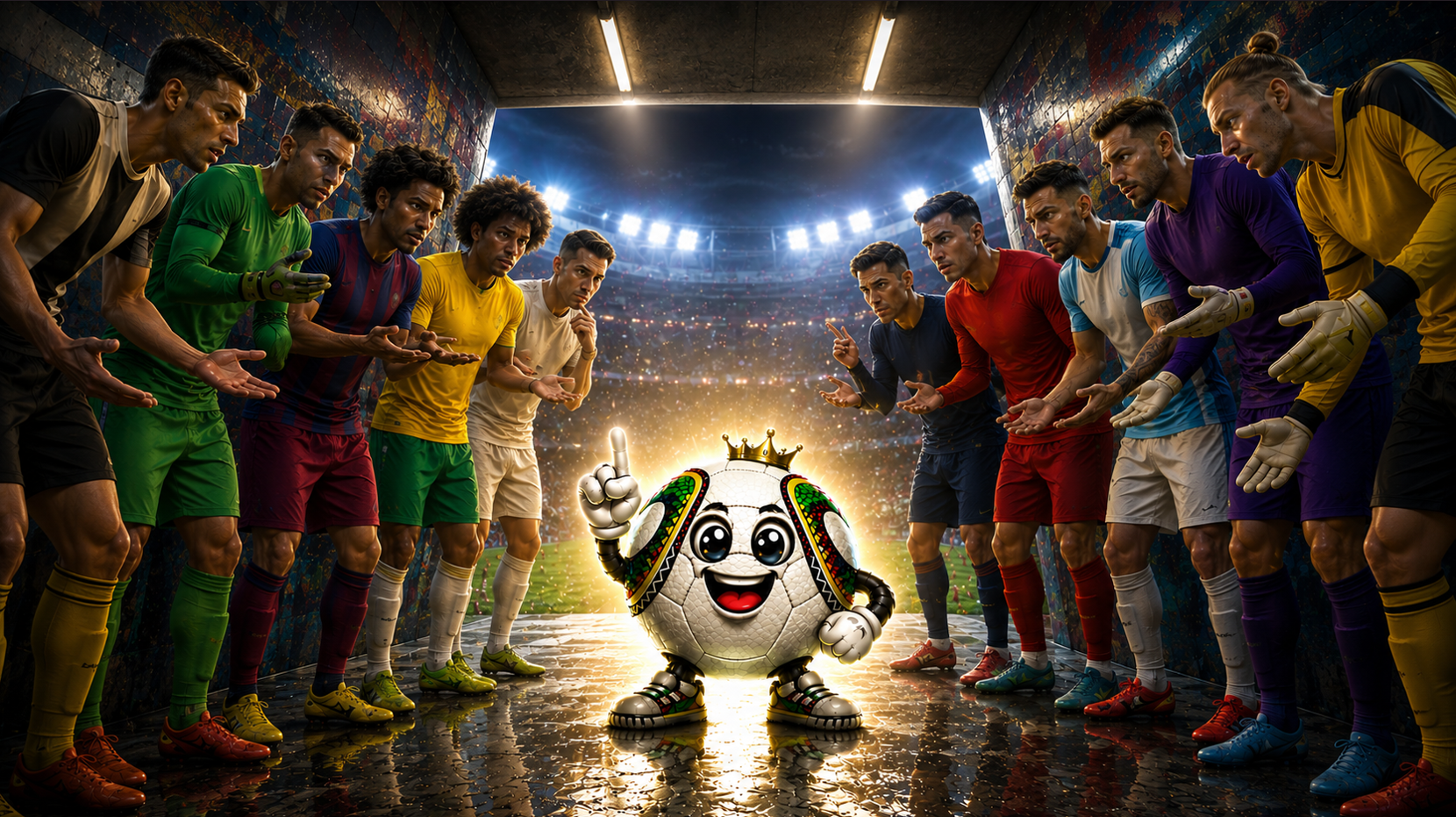
A ball struck with almost no spin creates an unstable airflow pattern around its surface. Tiny, unpredictable pressure shifts push it off-course mid-flight — the same knuckleball effect baseball pitchers chase on purpose. The smooth, low-panel surface made this far easier to trigger by accident.
High-altitude stadiums made it worse. Venues over 1,000 metres above sea level let the ball travel faster and swerve later, leaving goalkeepers even less time to react.
ZERO-SPIN KNUCKLING · LATE, SHARP SWERVE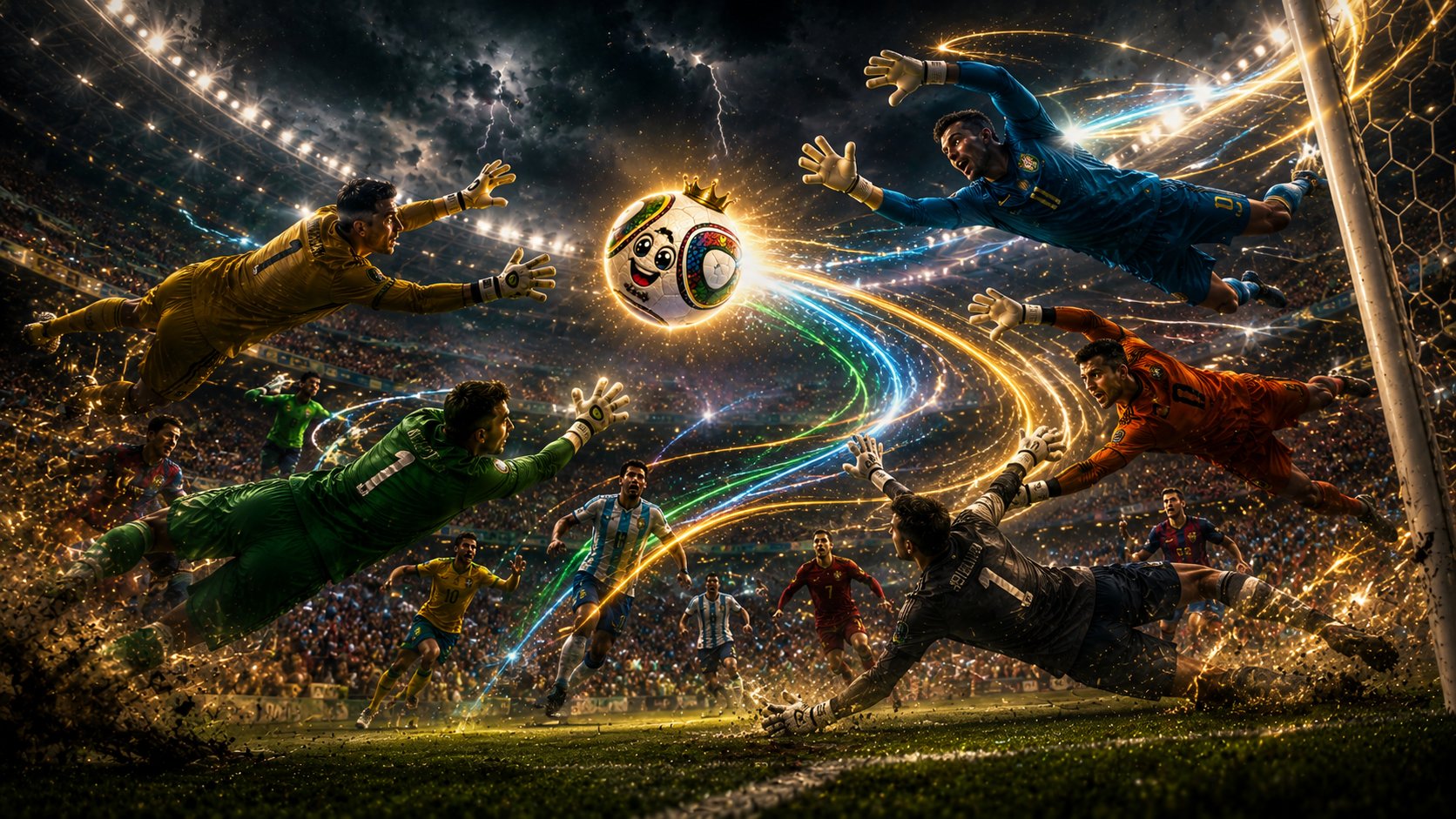
Goalkeeping coaches built entire training sessions around the ball's flight pattern. Sports scientists ran wind-tunnel studies. None of it fully tamed the unpredictability — by the time anyone built a working model for how the ball moved, the tournament was already over.
STUDIED. DEBATED. NEVER FULLY PREDICTED.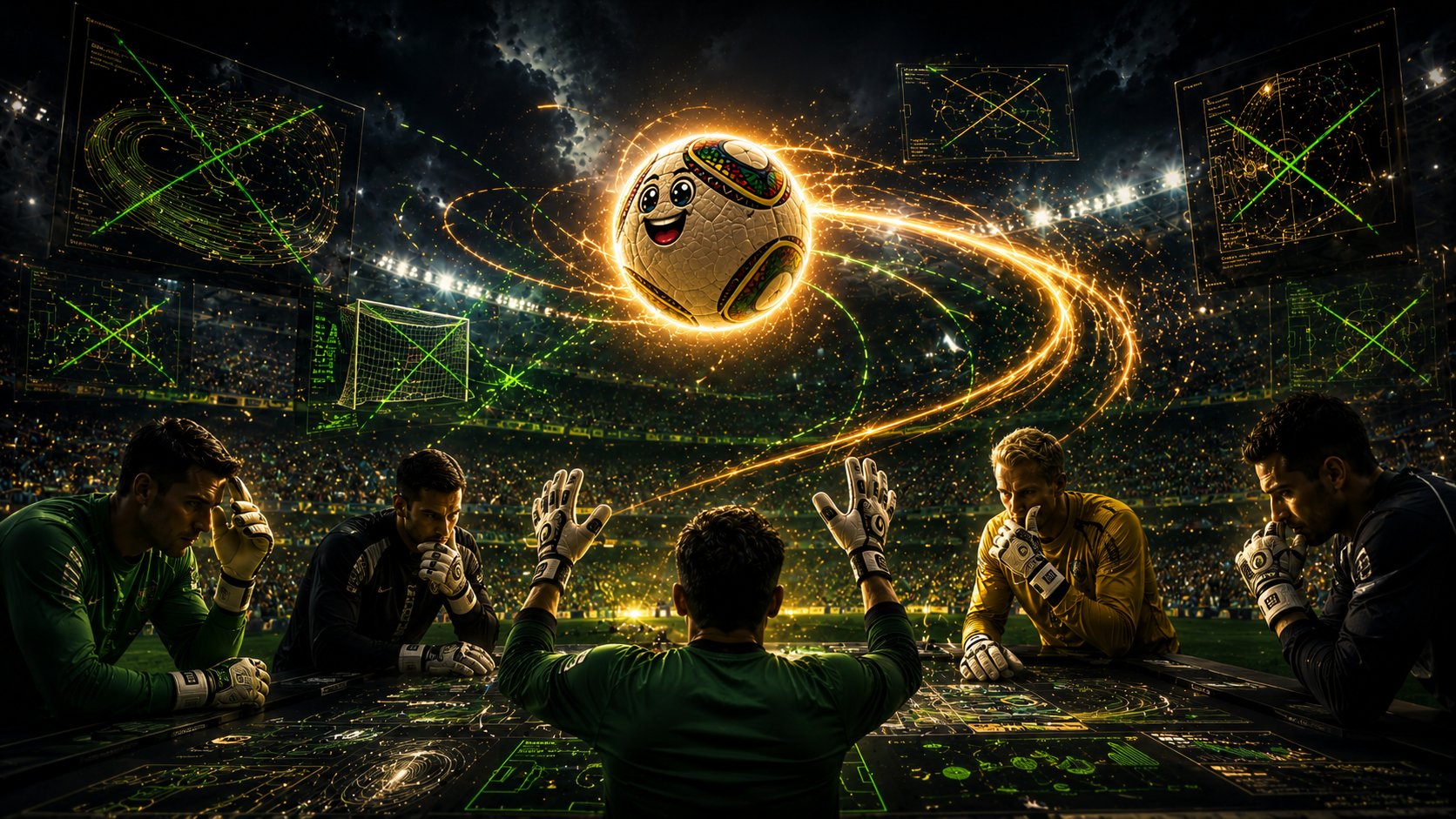
A routine strike squirms through a goalkeeper's hands in the group stage — replayed worldwide within hours. While most strikers fought the ball all tournament, one forward learned to read its chaos and went on to share the Golden Boot. His thunderous volley in the third-place match is still remembered as the tournament's signature highlight.
64 MATCHES · ONE BALL EVERYONE REMEMBERS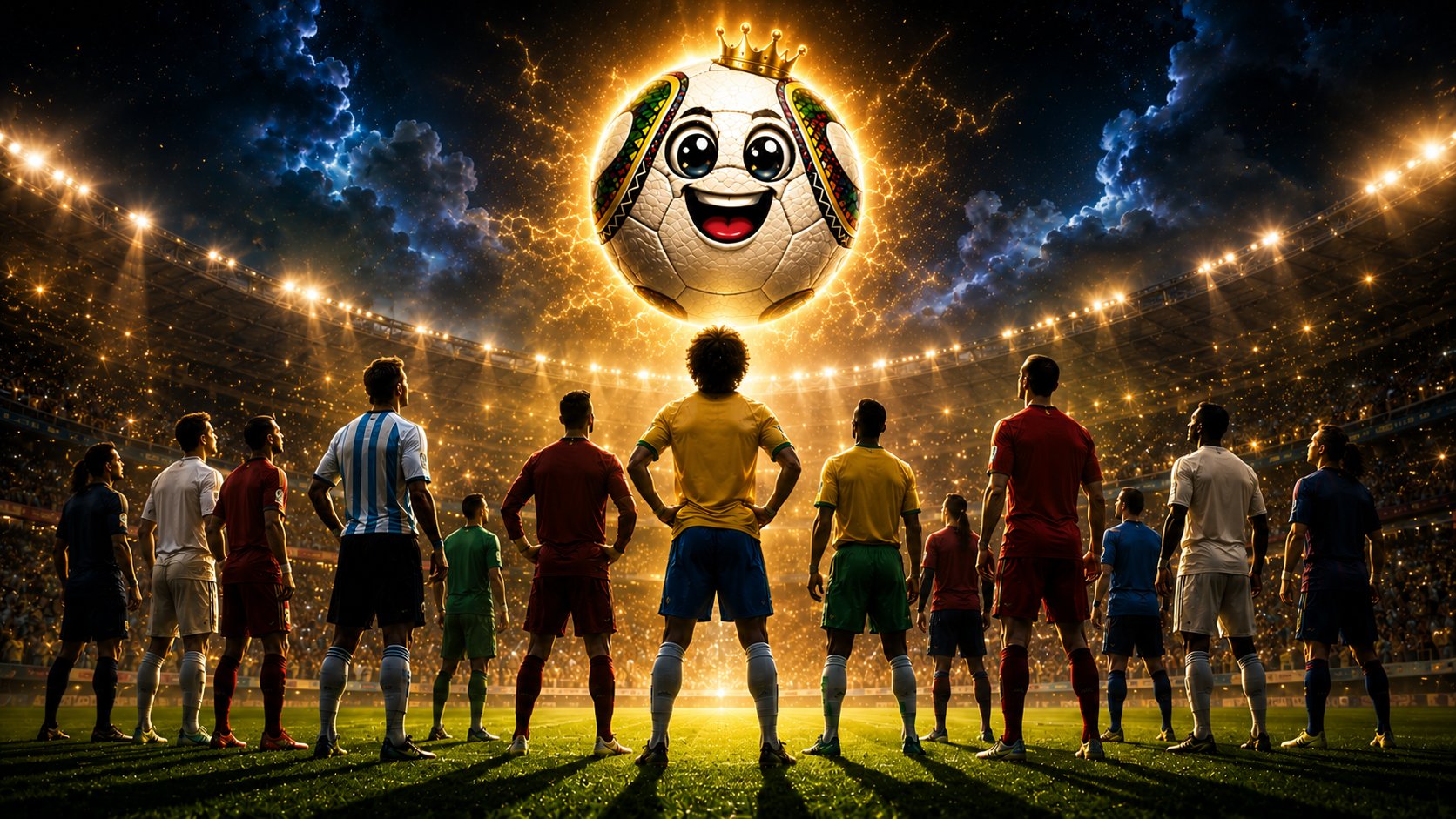
FIFA and Adidas redesigned the ball for the next World Cup — a six-panel successor replaced it for good. But by then the original had already become something bigger than the tournament it was built for: a story about the one time the best players alive couldn't control the ball beneath their feet.
That's the legend $JABULA is named after.
See the Token Play JABULA Run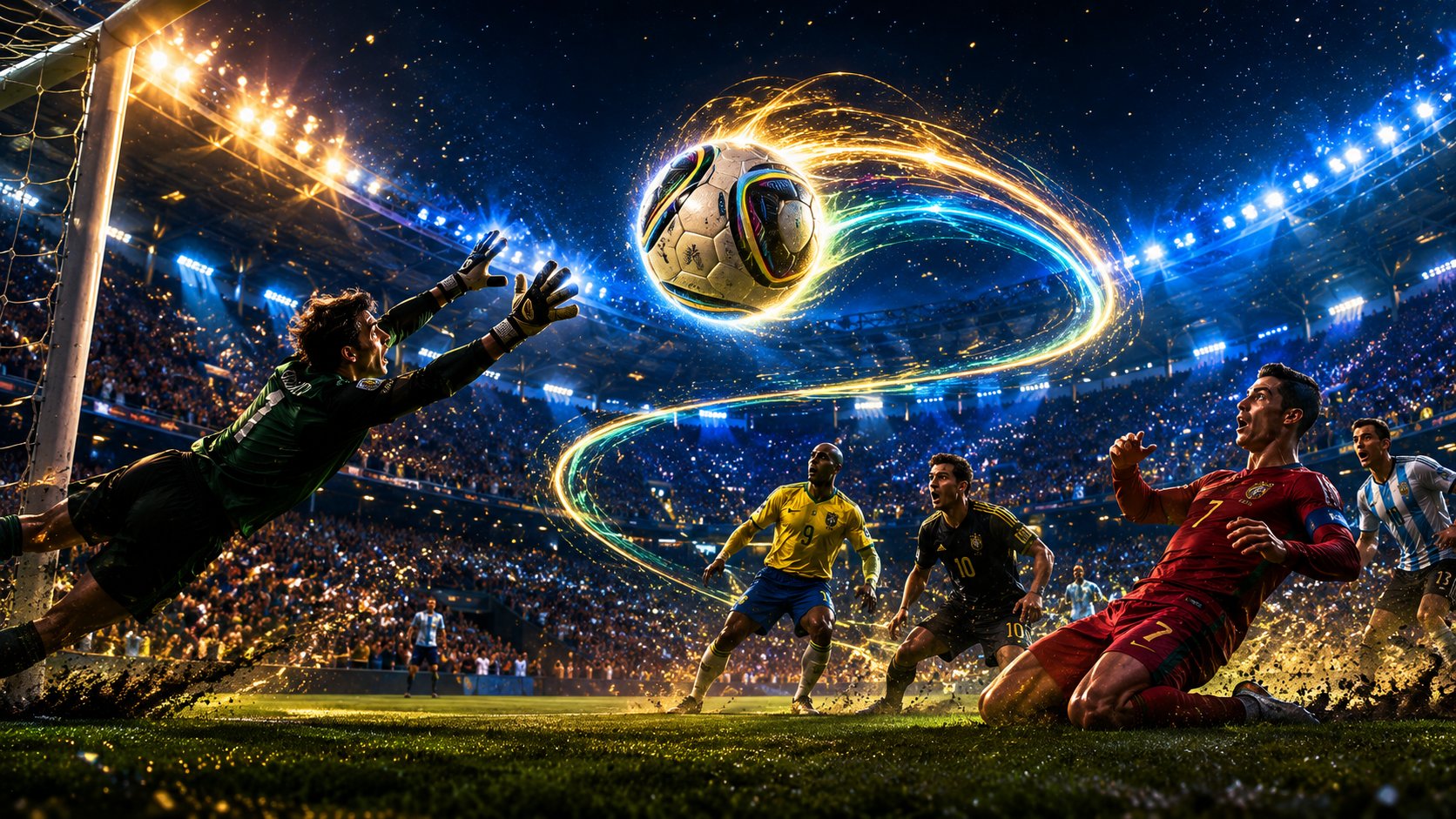
 $JABULA